Optical glass
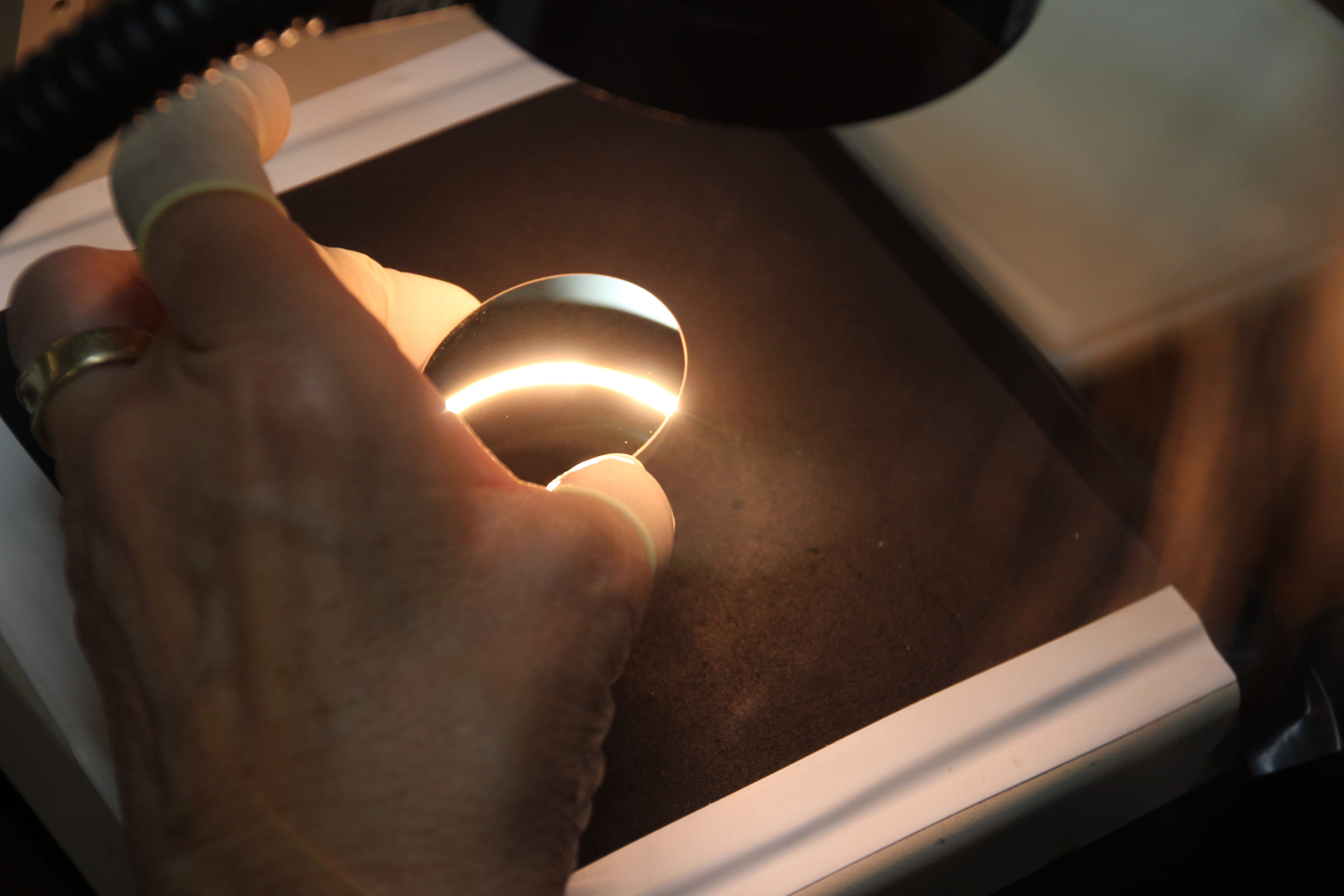
Materials selected for controlled transmission, refractive behavior, surface quality, and optical figure.


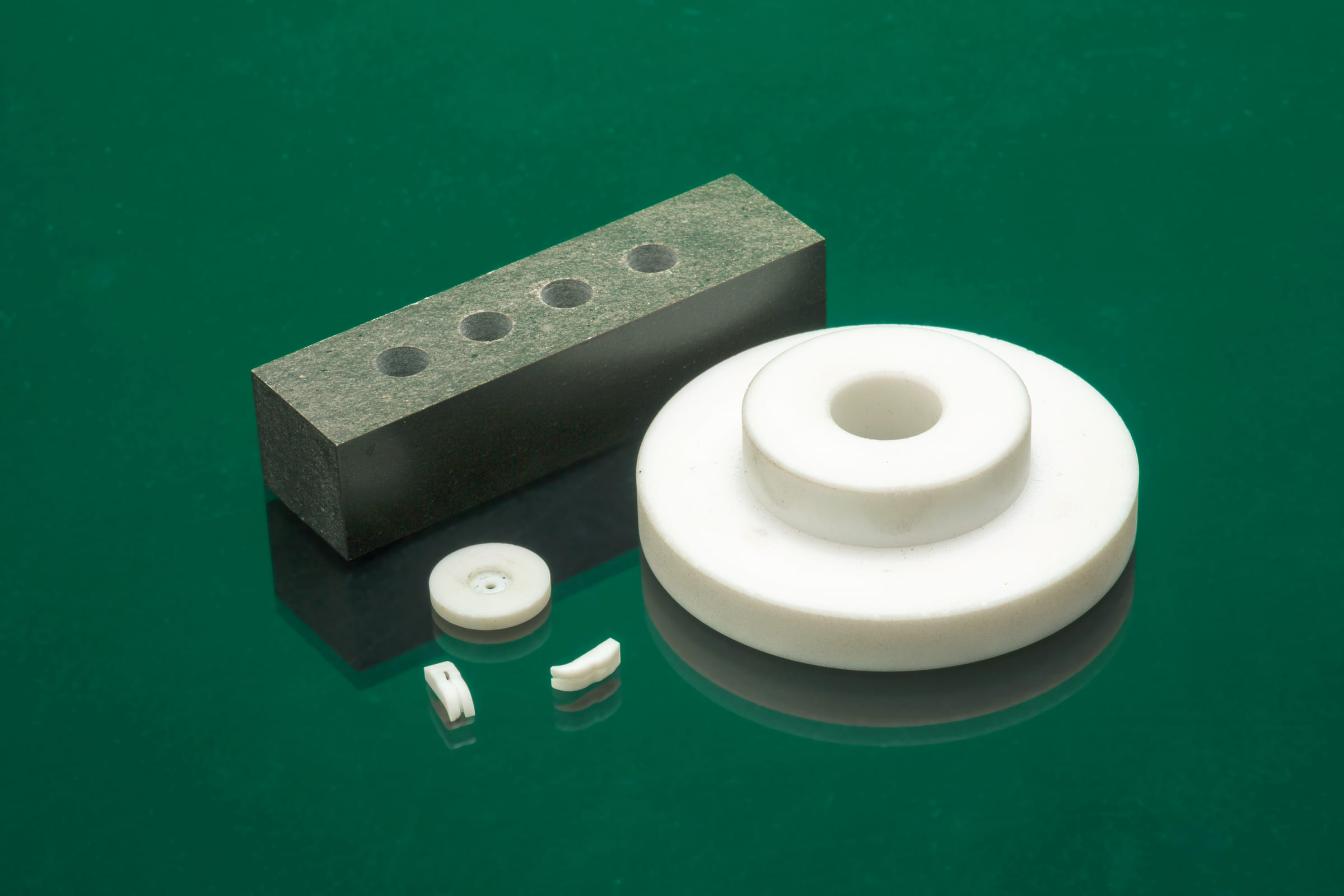
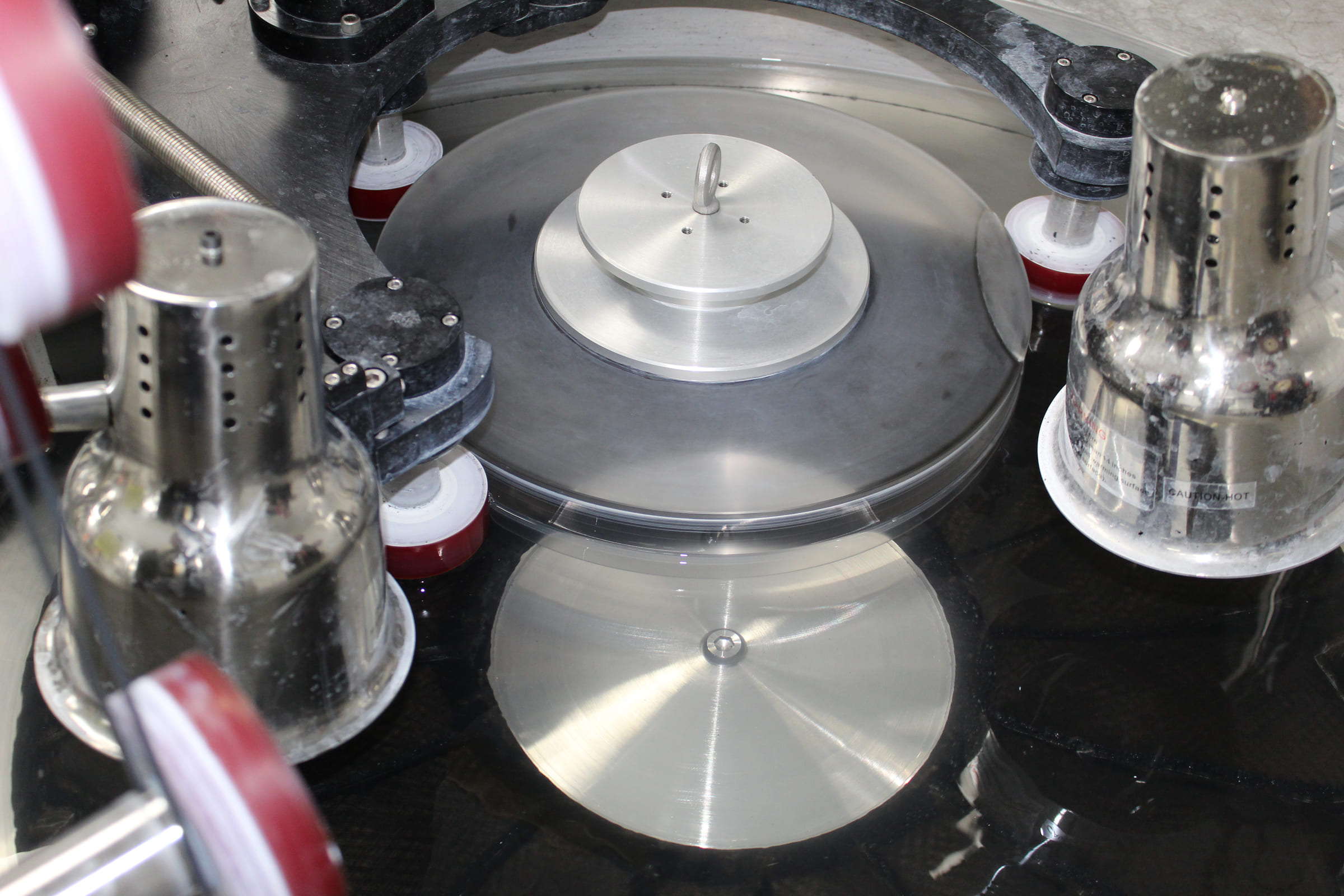
IRD machines, grinds, laps, polishes, and coordinates coatings across optical glass, technical glass, sapphire, advanced ceramics, infrared materials, and selected composites.
Material choice changes tool wear, edge behavior, attainable finish, inspection strategy, and yield. Send the drawing and operating conditions early so the manufacturing route can be evaluated as one system.
Optical transmission, wavelength, thermal loading, hardness, chemical exposure, dielectric behavior, and structural requirements determine the useful material family. Geometry then determines whether that material can be produced repeatably at the required quantity.
IRD reviews both sides of that decision. The list below covers the material families IRD works in — it is a starting point for a drawing review, not a substitute for one, and grade and certification requirements are set per program.
Representative materials and the work they are chosen for. Availability, grade, certification, and lot requirements are confirmed for each program.

Materials selected for controlled transmission, refractive behavior, surface quality, and optical figure.
Glass used as a precision mechanical or insulating component, whether or not a surface carries optical power.
Wear-resistant crystalline materials for demanding optical, thermal, and mechanical environments.
Hard, stable, electrically and thermally useful materials shaped for functional components.
Materials chosen for transmission in infrared wavelength bands and the environment around the optic.
Selected hard or brittle materials evaluated against IRD's machining, grinding, lapping, and inspection methods.
Every tolerance IRD holds, with the maximum part envelope for each process. These are manufacturing capabilities, not automatic specifications for every geometry and material — final feasibility depends on the complete drawing, material condition, feature relationships, inspection method, quantity, and schedule. Materials run across all of these processes include glass, ceramic, sapphire, spinel, quartz, and ZERODUR®.
| Process & attribute | Typical | Best case | Context and max envelope |
|---|---|---|---|
| Machining — dimension | ±.005 in | ±.0001 in | CNC milling, Swiss turning, drilling; max part 30 × 16 × 16 in |
| Machining — flatness / parallelism | ±.005 in | ±.002 in | Machined faces before grinding or lapping |
| Machining — radius | ±.005 in | ±.002 in | Profiles, corners, and formed features |
| Machining — roughness | Ra 30 µin | Ra 10 µin | As-machined surfaces |
| Grinding — dimension | ±.002 in | ±.002 in | ID, OD, surface, and profile grinding; max 24 in dia × 6 in ht |
| Grinding — flatness / parallelism | ±.001 in | ±.0002 in | Hard materials and structural geometry |
| Grinding — radius | ±.005 in | ±.001 in | Formed and profile-ground features |
| Grinding — roughness | Ra 40 µin | Ra 10 µin | Ground surfaces before lapping or polishing |
| Lapping — flatness / parallelism | ±.000050 in | ±.000010 in | Seals, spacers, tooling, references; max 13.3 in dia |
| Lapping — roughness | Ra < 10 µin | Ra < 5 µin | Single- and double-sided lapping |
| Polishing — roughness | Ra < 1 µin | Ra < 5 Å | Optical faces, windows, mirrors; max 16 in dia |
| Polishing — flatness | 1 wave | < 1/20 wave | Wavefront-critical surfaces |
| Polishing — parallelism | 30 arc sec | < 5 arc sec | Windows, filters, and plane-parallel optics |
| Polishing — angle | 5 arc min | 3 arc sec | Prisms, wedges, and alignment geometry |
| Sawing — dimension | ±.005 in | ±.001 in | Blanking and sizing; max 14 × 8 × 1 in |
| Waterjet — dimension | ±.010 in | ±.005 in | Profiles; work envelope up to 40 × 24 × 2 in |
| Dicing — dimension | ±.005 in | ±.0005 in | Small-format parts and arrays; max 8 in dia × .300 in thick |

Include the material grade, operating environment, critical dimensions, surface requirements, inspection method, quantity, and schedule. IRD will review the full manufacturing problem.