IRD GLASS
Products / Cylindrical optics

Cylindrical Optics

Plano-convex, plano-concave, rod, and custom cylindrical lenses that shape light in one axis for laser, imaging, projection, and detector systems.

IRD manufactures to your print. Send the drawing with the radius, clear aperture, material, coating target, and how the cylinder is centred and mounted, and the technical team reviews it for manufacturability before quoting. For a new design that review is free of charge.

Radius range
<2 to >125 mm
IRD's published machining, polishing, and grinding range for cylindrical curves. What is achievable on your part depends on material, length, clear aperture, and form tolerance.
Plano-convex size
Micro to 6″
Regularly manufactured sizes, from micro-optic scale to 6 inch diameter. Larger cylinders are quoted against the polishing envelope, which tops out at 16 inch diameter.
Lens tolerance
±.0002″
IRD's published plano-convex dimensional tolerance. Rod lenses are held to ±.001 inch across diameters from .070 to .650 inch and above.

What we manufacture

Geometry for one-axis control

Choose the cylinder form around what the beam or image must do, then specify the radius, clear aperture, material, and coating.

Cylinder forms

The geometries IRD manufactures most often, and what each one does to a beam or an image in a single axis.

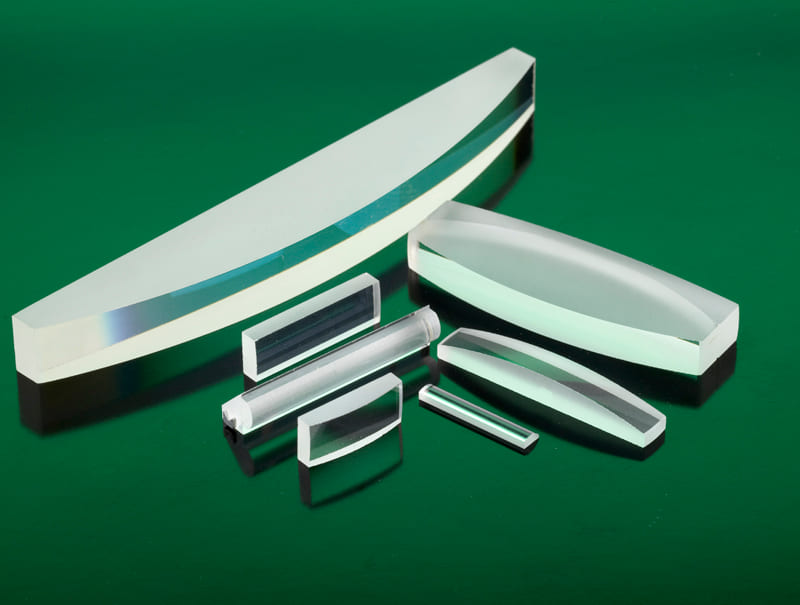
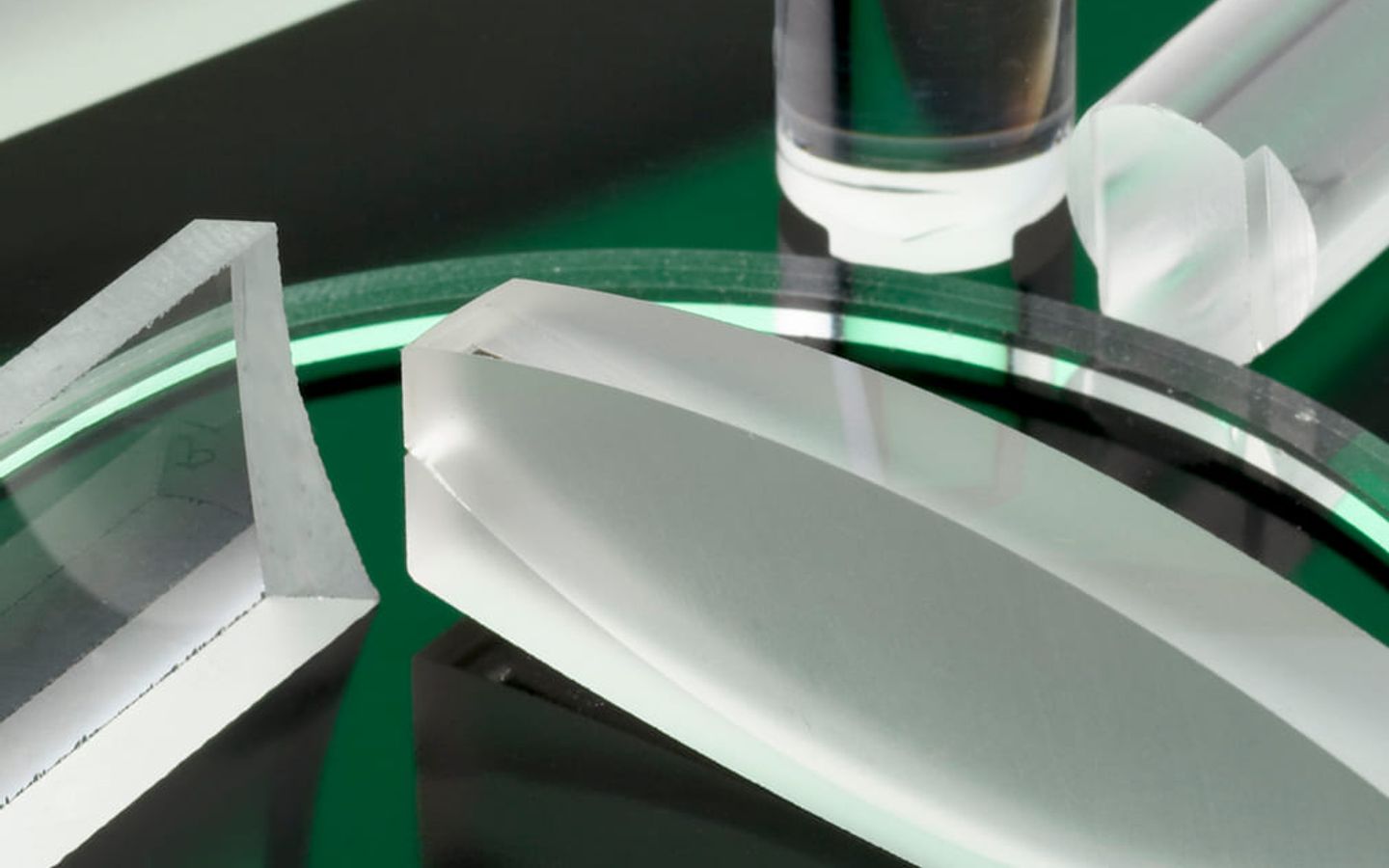
Cylindrical lens elements manufactured by IRD Glass

Plano-convex

Focuses or expands light along one axis for line detectors, laser projection, line focusing, and anamorphic beam shaping.

Regularly manufactured from micro-optic size to 6″ diameter
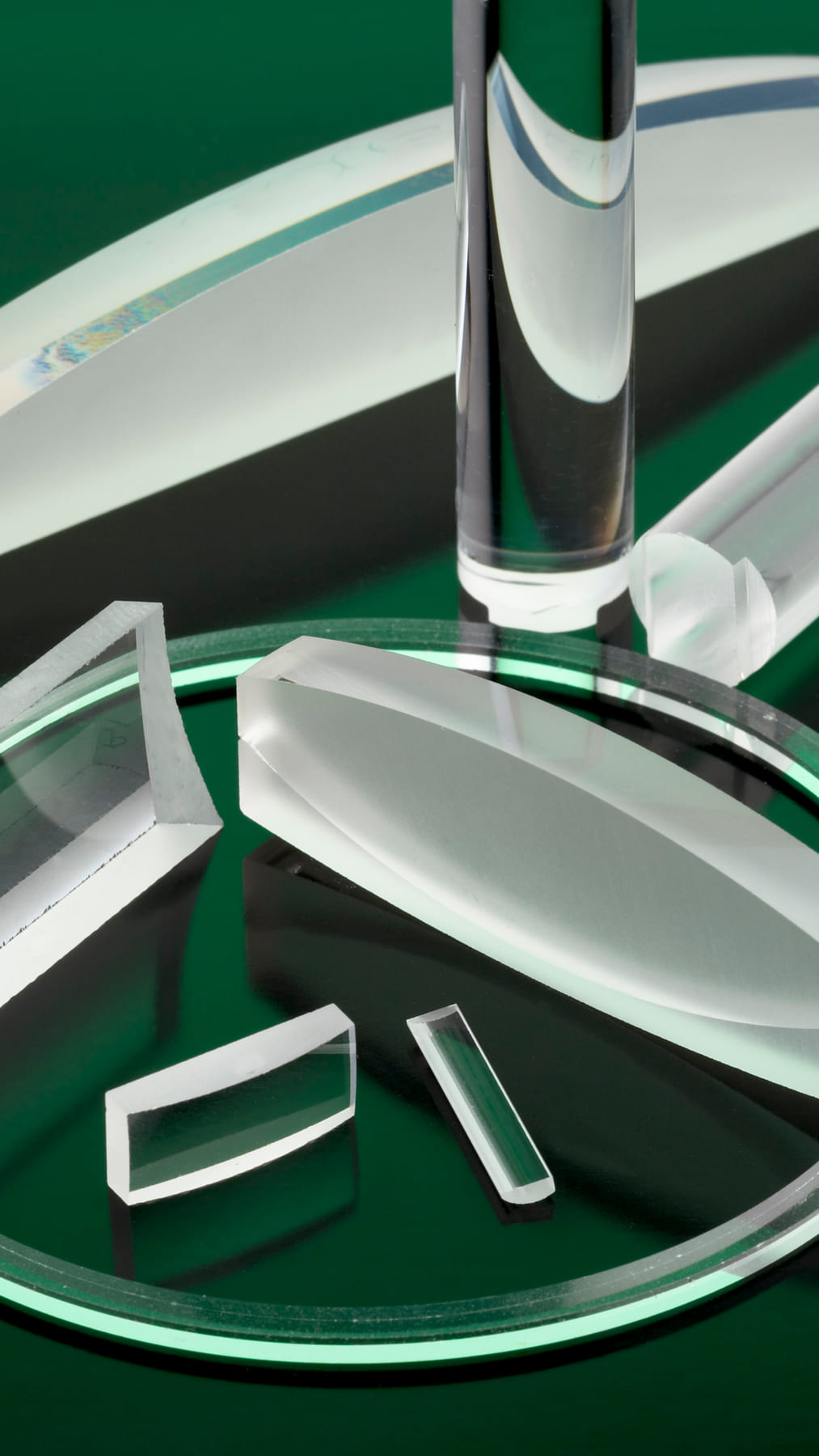
Cylindrical optical components

Plano-concave

Expands light in one dimension for image compression, line generation, and anamorphic correction.

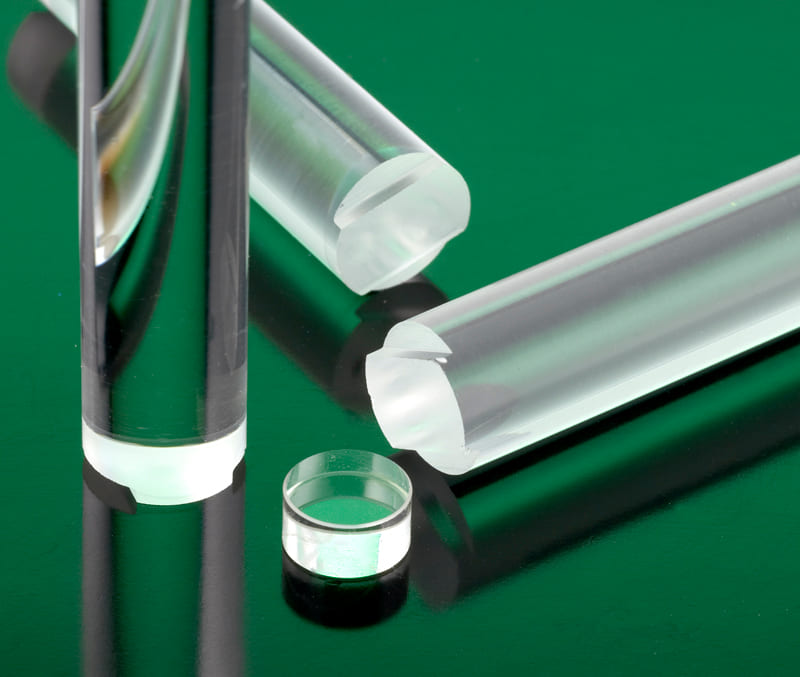
Precision rod lenses manufactured by IRD Glass

Rod lenses

Compact cylindrical optics for constrained assemblies where repeatable one-axis control has to fit a small envelope.

Diameters from .070″ to .650″ and above
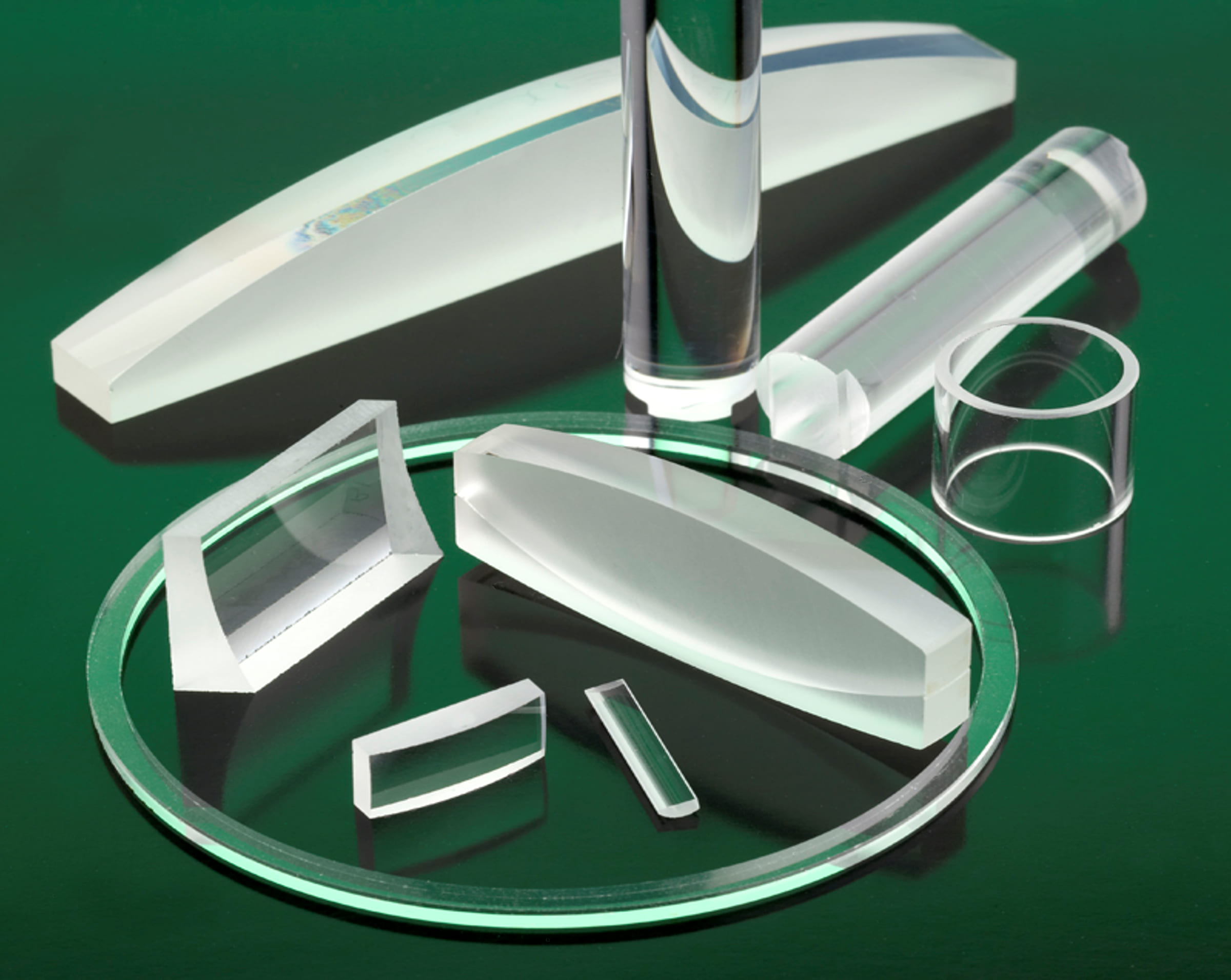
Cylindrical optics and rod lenses manufactured by IRD Glass

Custom forms

Convex, concave, and compound profiles developed around the print, alignment scheme, and inspection method.

Process control

Why the curve measures the same on part five hundred

A cylinder has one powered axis and one flat one, and nothing about a spherical fixture or a plano interferogram tells you whether either is right. These are the controls IRD holds across a production run.

The centre of curvature is located, not estimated

IRD uses custom centering equipment built to locate the centre of curvature on a cylindrical surface. Decentration on a cylinder shows up as a tilted line focus rather than a blurred point, so it has to be measured on the powered axis directly.

Form and flatness are ripple-checked before the optic moves on

Custom ripple-checking equipment verifies the form and flatness of the curve in process. Catching a form error while the part is still on the polishing route is what keeps a batch from finishing out of tolerance together.

Interferometry on a curve needs a null

IRD runs computer-generated holographic cylinder nulls alongside its Wyko, Zygo, and Nikon interferometers, so cylindrical surfaces can be measured interferometrically instead of inferred from contact gauging.

Four CGH cylinder nulls in the published equipment list

Polishing equipment is dedicated to the geometry

Cylindrical polishing systems and rod polishers are separate machines from the flat lapping and polishing lines, so cylinder work is not run on tooling designed for plano substrates.

Six cylindrical polishing systems and eleven rod polishers on the floor

Capability ranges.Specify what the system needs.

Cylinder performance is controlled by radius, form, centering, surface quality, and the relationship between the curved and plano faces.

AttributeTypicalBest caseApplication note
RadiusApplication-defined<2 mm to >125 mmConvex and concave cylinder geometries
Plano-convex dimensionPrint-defined±.0002″Micro-optics through 6″ diameter
Rod-lens dimensionPrint-defined±.001″.070″ to .650″ diameter and above
Surface roughnessRa < 1 µinRa < 5 ÅHigh-energy and scatter-sensitive applications
Dimensional tolerance±.005″±.0001″Finished geometry and mounting interfaces

These are IRD's published process capability figures across materials and geometries, not a guarantee for a given print. Material, radius, length, clear aperture, and inspection method all move them, and every surface is quoted individually. The published flatness and parallelism values do not state a reference wavelength or measurement condition — send yours and the team will confirm against it.

Cylindrical lens elements manufactured by IRD Glass
Cell-based production

Form is verified, not assumed.

A dedicated cell carries the cylinder from blank through centering, grinding, polishing, coating, and interferometric checks. That keeps the powered axis, the plano face, and the mounting datum tied to the same print revision instead of to three separate setups.

The IRD Advantage
6
Cylindrical polishing systems, separate from the flat polishing lines
4
CGH cylinder nulls for interferometric form checks
98%+
On-time delivery, past decade
Application fit

Materials, forms, and uses

Use these lists to frame the first review. The drawing, environment, performance requirement, inspection method, and volume determine the final route.

Materials

  • N-BK7
  • Fused silica
  • Optical glass
  • Sapphire
  • IR substrates

Coatings

  • Anti-reflection
  • HLDT
  • UV
  • Visible
  • Infrared

Applications

  • Laser line generation
  • Anamorphic beam shaping
  • Projection
  • Line and slit detector arrays
  • Image correction

Production assurance

ISO 9001:2015Certified quality management system covering both Minnesota facilities. The system is certified — an individual part is not.
ITAR registeredRegistered with the DDTC. Controlled programs are manufactured and stored domestically in Minnesota.
98%+ on-timeIRD-reported delivery performance, sustained across the past decade.
Review quality & certifications
Keep researching

Related products and industries

The finished component often crosses product categories. These pages cover the nearest materials, processes, and program contexts.

Cylindrical optical components
Start with the print

Send us your cylindrical optics requirement.

Send the drawing with the radius and its tolerance, the clear aperture, the powered-axis orientation relative to the mounting datum, material, coating target, annual volume, and the inspection method you will accept the part against. For a new design, the technical team runs a no-cost Design for Manufacturability review before quoting, then estimates prototype and production volumes separately.

Or call 320.693.7217. If you are qualifying a second source for a cylinder already in production, say so — IRD asks for that work directly.