IRD GLASS
Products / Technical ceramics

Precision Ceramic Components

Alumina, zirconia, silicon carbide, silicon nitride, machinable ceramics, and other technical ceramic components machined and finished for wear, heat, chemical, electrical, and dimensional performance.

Ceramic fabrication needs different equipment, different slurries, and different polishing pads than glass. IRD Ceramics runs those processes in a dedicated Alexandria facility rather than treating ceramics as a glass substitute — and reviews the design against the material before quoting, free of charge on a new part.

Dimensional work
<.0005″
IRD's published dimensional tolerance on many of its hard ceramic parts. Material grade, geometry, and which surface carries the tolerance all move what is achievable.
Designs through DFM
~80%
IRD's published figure for the customer-designed super-hard components it has manufactured that benefited from its Design for Manufacturability review — where material, features, and specifications are weighed against total cost and quality.
Dedicated facility
IRD Ceramics
Roughly 10,000 square feet in Alexandria, Minnesota, built around super-hard materials with its own machining, lapping, polishing, and inspection equipment.

What we manufacture

Hard-material fabrication

Material behaviour, tooling, geometry, finish, and inspection method are reviewed together before production.

Ceramic fabrication

Hard ceramics need their own equipment, slurries, and pads. IRD Ceramics runs them as a separate discipline, not as a glass route with a material substitution.

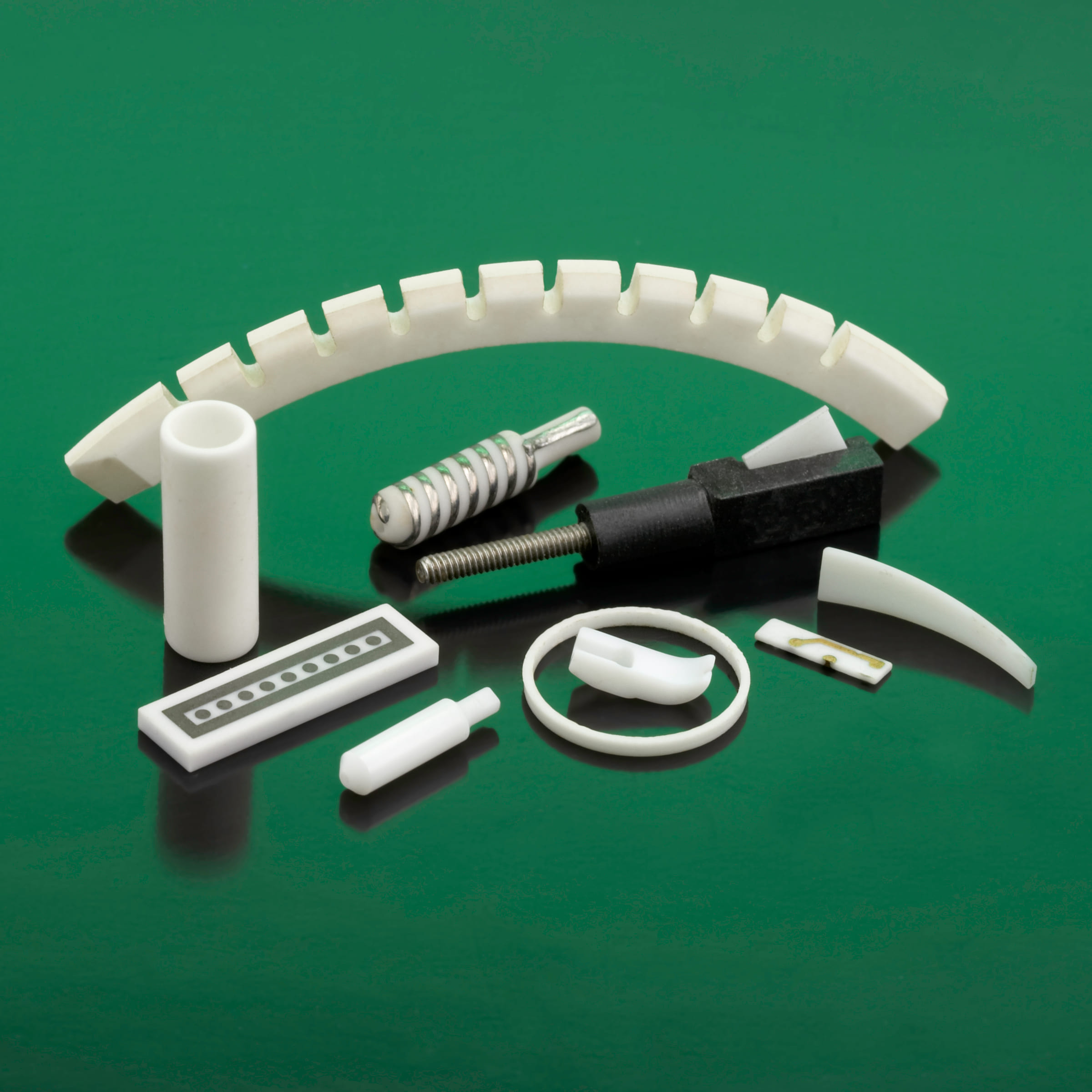
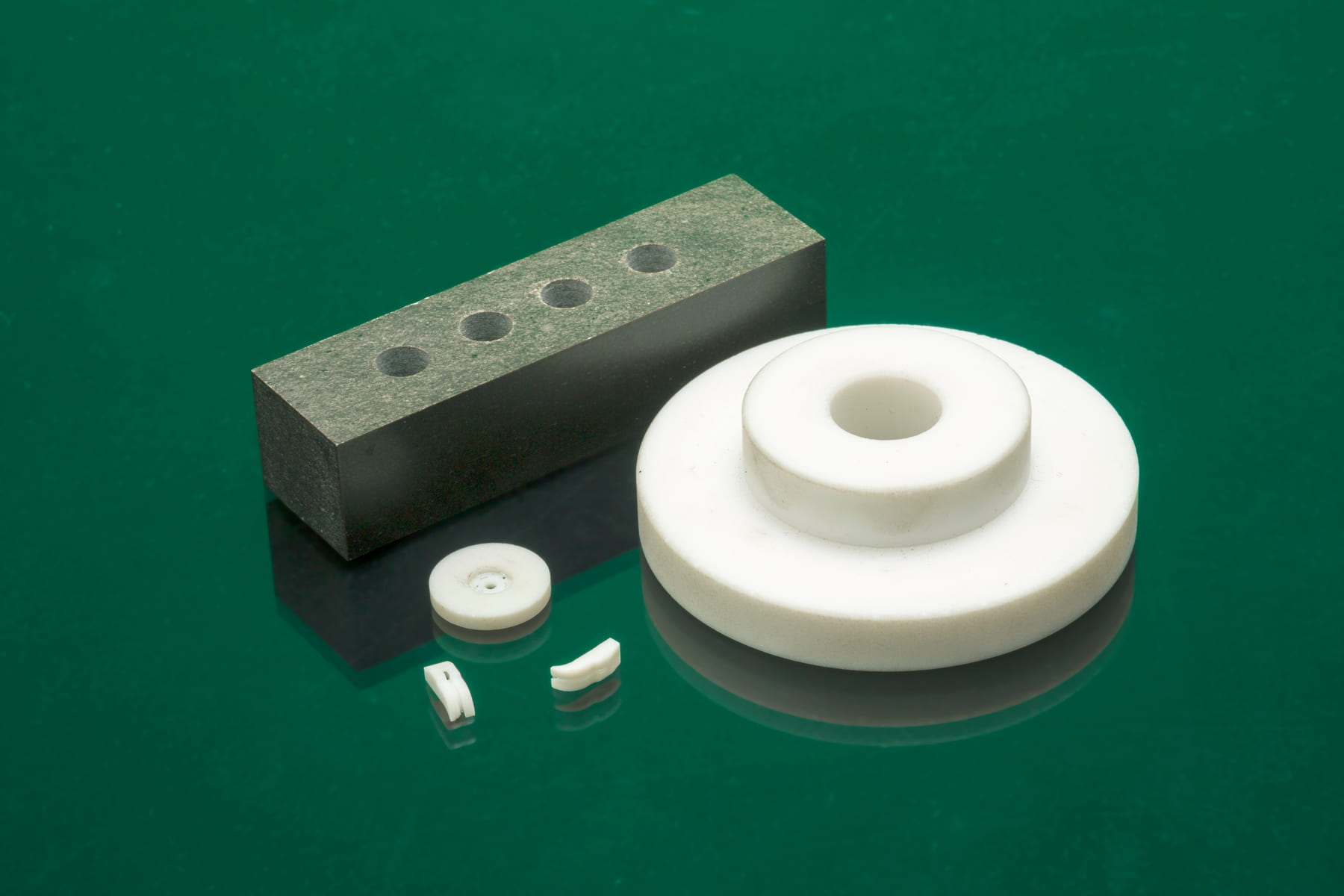
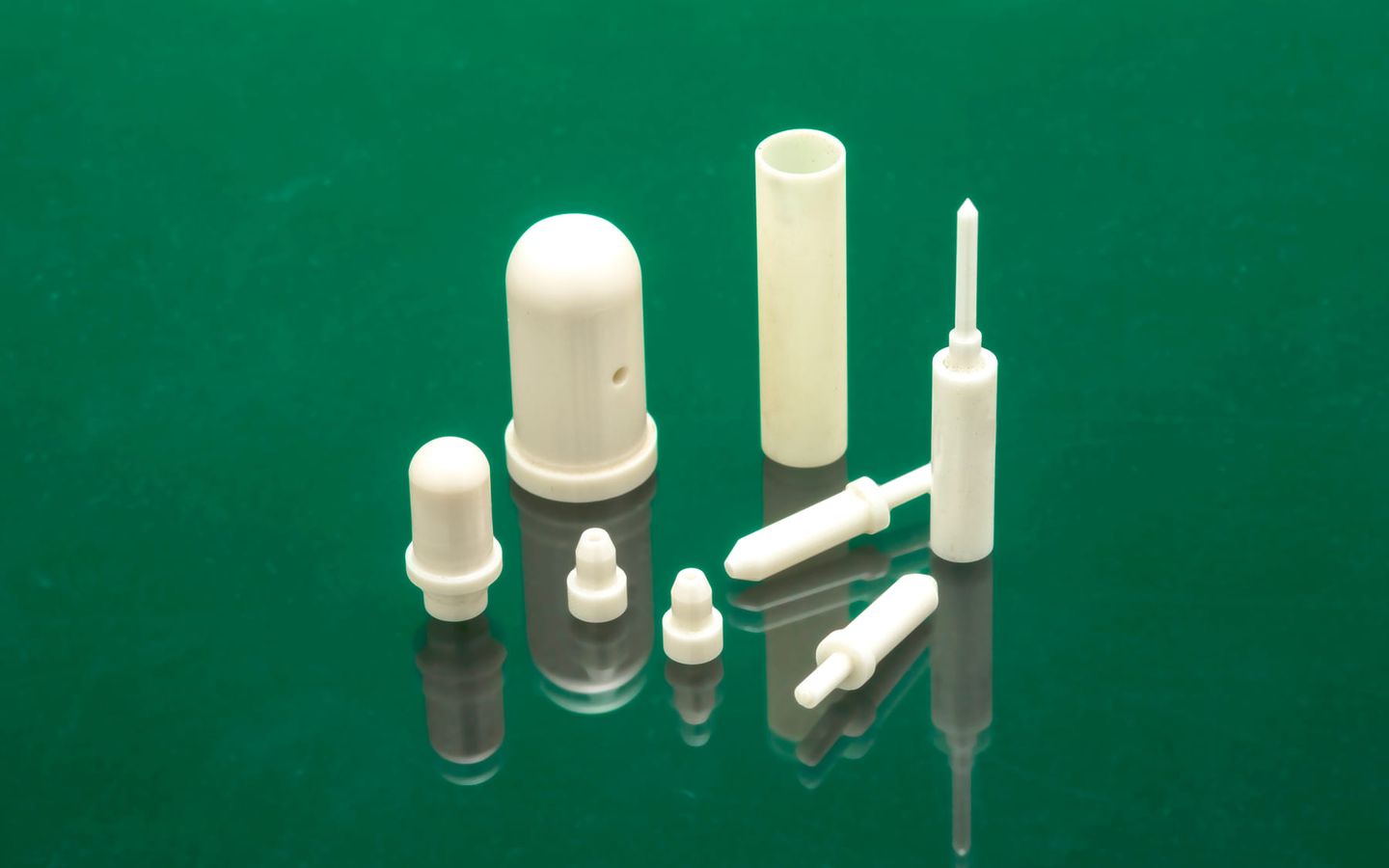
Technical ceramic components fabricated by IRD Glass

Precision machining

Hard ceramics shaped with equipment and tooling selected for the material rather than borrowed from glass processing, holding dimensional tolerances under .0005 inch on many parts.

Precision technical ceramic components

Lapping and polishing

Flat, smooth, or optical-quality surfaces produced with ceramic-specific slurries and pads, with the same commitment to flatness and scratch-dig that the glass side holds.

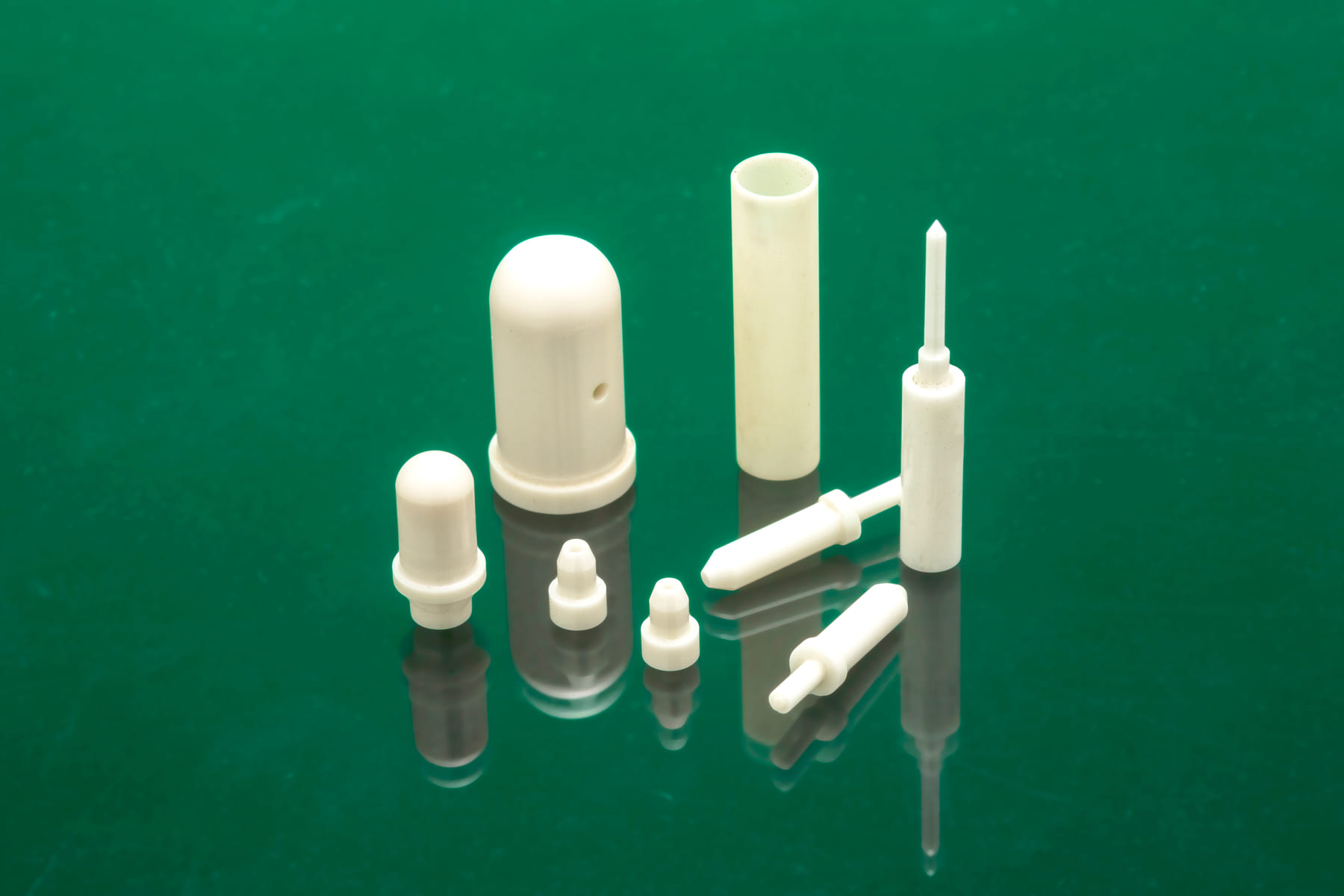
Precision ceramic tips and nozzles

Complex components

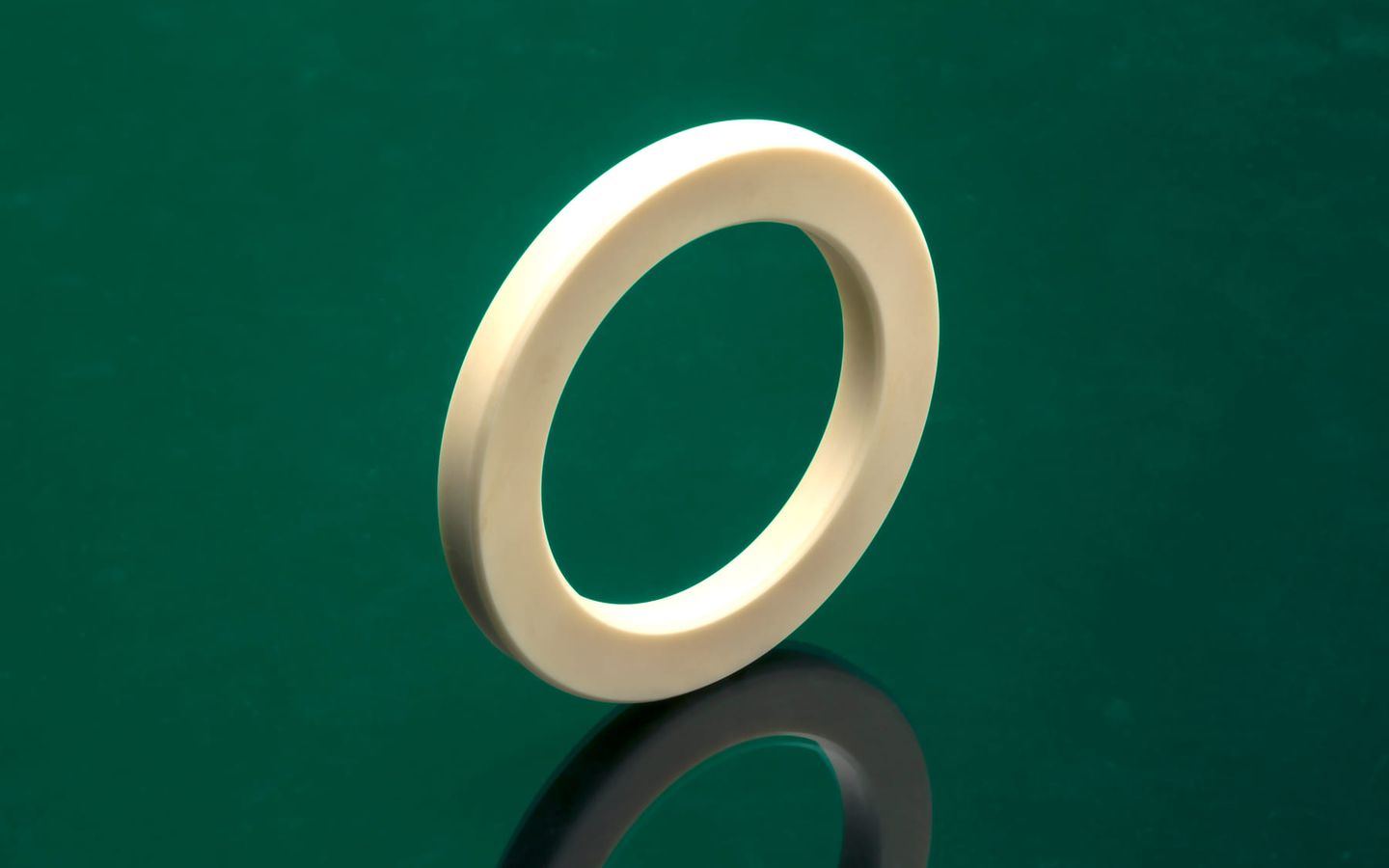
Custom parts and subassemblies developed for high heat, corrosive chemistry, wear, and electrical requirements — tips, nozzles, washers, seals, and precision geometry.

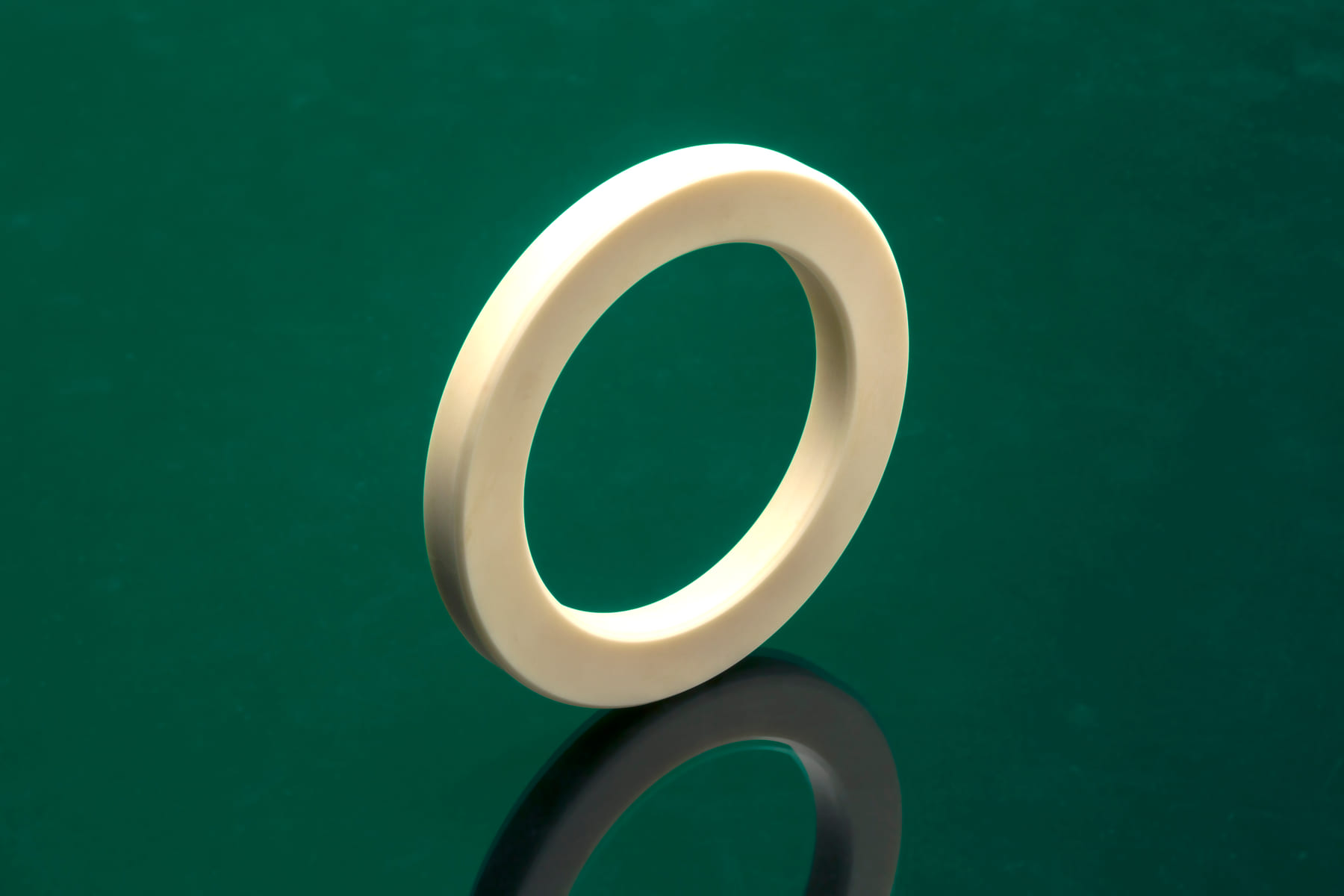
Precision ceramic washer

Production control

Cell-based process ownership carries the part from raw-material order through final inspection, reducing variation between the prototype route and repeat production.

Design for manufacturability

The five specification habits that cost the most

IRD has published its own account of what its technical team most often finds when reviewing customer designs in super-hard materials. Each of these is cheap to change on a drawing and expensive to discover in production.

Unnecessary complexity is the most expensive thing on the drawing

Contours, pockets, and threads are simple in metal and costly in a super-hard material — every pocket and blind feature has to be machined, and fine threads are hardest of all. IRD's guidance is to keep basic geometries, allow radiused interior corners, and press in a threaded metal insert rather than cutting threads into the ceramic.

Size the insert hole against both materials' thermal expansion; ceramic will not deform to take up the difference

Grade and orientation are part of the material call

Most super-hard ceramic and sapphire materials come in several grades or crystal orientations that change both cost and manufacturability, and there is little standardisation between suppliers. Properties such as tensile and compression strength, hardness, and scratch resistance vary significantly with grain size, porosity, and crystal orientation.

Changing material at prototype stage or later is usually costly

Material cost turns non-linear above 100 mm

IRD reports that for sizes over 100 mm (4 inches), material costs generally begin to rise exponentially. Suppliers who offer standard shapes such as rods and plates are typically far cheaper than custom moulded blanks, so the blank format is worth deciding before the geometry is frozen.

Finish is priced by the surface, not by the part

For polished optical surfaces IRD reports 60/40 as the most cost-effective finish, with 20/10 or 10/5 limited to the areas that genuinely need it. For ground surfaces, 32 microinches or greater is the most commonly specified; better finishes are achievable but cost more depending on material and dimension.

Capability ranges.Specify what the system needs.

Ceramic capability depends on material grade and geometry. Use these ranges to frame a design review, then send the print.

AttributeTypicalBest caseApplication note
Machining±.005″ dimension±.0001″Mounting features, profiles, and custom geometry
PolishingRa < 1 µinRa < 5 ÅOptical faces and performance-critical surfaces
Lapping±.000050″ flatness±.000010″Seals, spacers, and precision interfaces
Grinding±.002″ dimension±.0002″ flatnessID, OD, surface, and profile grinding

These are IRD's published process capability figures across materials and geometries, not a guarantee for a given print. Because super-hard materials lack standardisation between suppliers, the grade, purity, grain size, porosity, and orientation you specify will move every one of these numbers — which is why the material call belongs in the design review rather than after it.

Precision ceramic tips and nozzles
Cell-based production

Technical ceramics are not glass with a different label.

The Alexandria facility is built around hard materials, with dedicated equipment and process knowledge for machining, lapping, polishing, cleaning, and inspection. A dedicated cell owns the part from raw-material order to shipment, which is what keeps a corrosive-environment part behaving the same in month twelve as in month one.

The IRD Advantage
<.0005″
Dimensional tolerance held on many hard ceramic parts
~80%
Customer super-hard designs improved by IRD's no-cost DFM review
98%+
On-time delivery, past decade
Application fit

Materials, forms, and uses

Use these lists to frame the first review. The drawing, environment, performance requirement, inspection method, and volume determine the final route.

Materials

  • Alumina
  • Zirconia
  • Silicon carbide
  • Silicon nitride
  • Macor®
  • Mykroy/Mycalex®

Properties

  • Wear resistance
  • Heat resistance
  • Chemical inertness
  • Electrical insulation
  • Low density versus steel
  • Thermal shock resistance

Applications

  • Sensor components
  • Precision tooling
  • Medical probe tips and blades
  • Nozzles and valve seats
  • Industrial wear parts
  • Aerospace hardware

Production assurance

ISO 9001:2015Certified quality management system covering both Minnesota facilities. The system is certified — an individual part is not.
ITAR registeredRegistered with the DDTC. Controlled programs are manufactured and stored domestically in Minnesota.
98%+ on-timeIRD-reported delivery performance, sustained across the past decade.
Review quality & certifications
Keep researching

Related products and industries

The finished component often crosses product categories. These pages cover the nearest materials, processes, and program contexts.

Precision ceramic washer
Start with the print

Send us your precision ceramic components requirement.

Send the drawing with the material grade and orientation if you have specified one, the operating environment, which surfaces carry the tight tolerances, the finish per surface, any clearance or chamfer features, annual volume, and schedule. For a new design, the technical team runs a no-cost Design for Manufacturability review before quoting, then estimates prototype and production volumes separately.

Or call 320.693.7217. If you have not yet chosen a material, bring the application instead of a grade — changing material after prototyping is the expensive path.