IRD GLASS
Products / Float glass

Precision Float Glass Components

Fabricated float and borosilicate glass for biotechnology, microelectronics, photovoltaics, security, process equipment, lighting, analytical, and high-volume OEM applications.

IRD is an official distributor of SCHOTT BOROFLOAT®, so material access and fabrication sit with the same supplier. Machining, edge work, strengthening, coating, patterning, and inspection are quoted around the finished component rather than the raw sheet — and on a new design the manufacturability review is free of charge.

Material access
BOROFLOAT® 33
IRD is an official distributor of SCHOTT BOROFLOAT®. Borofloat 33 is a clear, colourless borosilicate with excellent transmission, very weak fluorescence across the light spectrum, and long-term service above 100 °C.
Waterjet envelope
40″ × 24″ × 2″
IRD's published maximum waterjet size — the widest-format cutting route for large float glass profiles, at ±.005 inch best-case tolerance.
Dicing tolerance
To ±.0005″
Best-case dicing dimensional tolerance, up to 8 inch diameter at .300 inch thick. The right cutting route depends on format, not on preference.

What we manufacture

Cost-aware glass, controlled like a component

Float glass is selected for availability and value, then processed around exposure, transmission, strength, geometry, and edge requirements.

Why float glass

A material chosen for availability and cost, then fabricated and inspected like a precision component rather than a sheet.

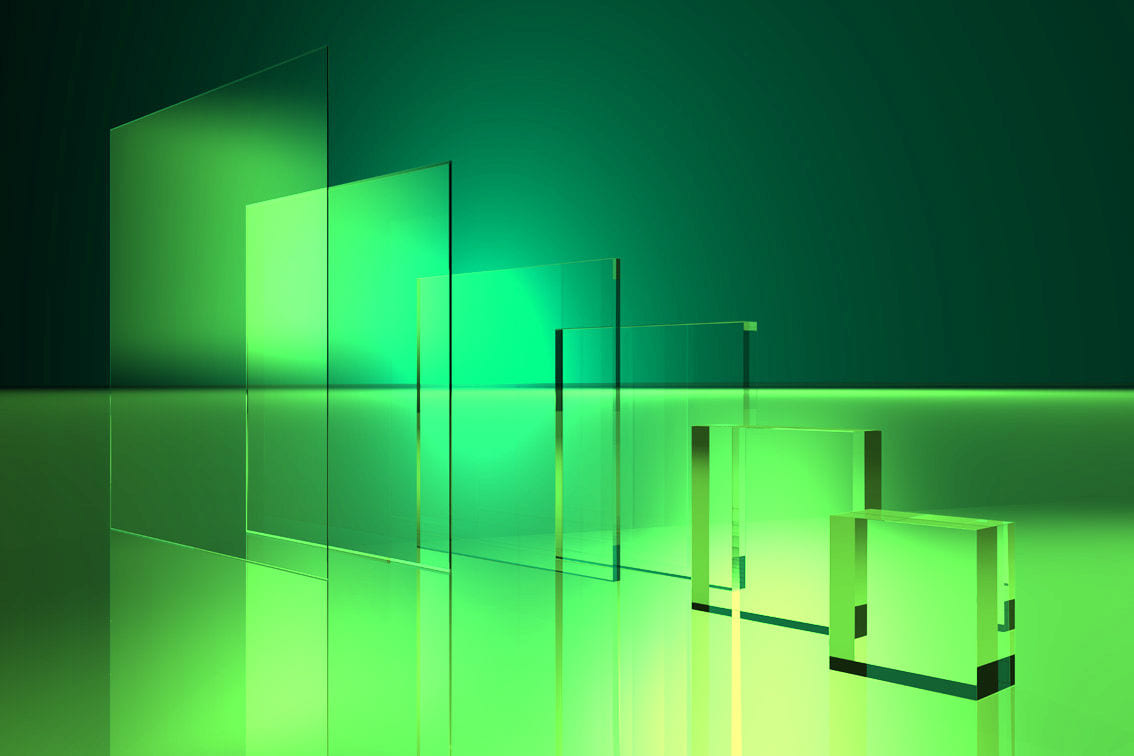
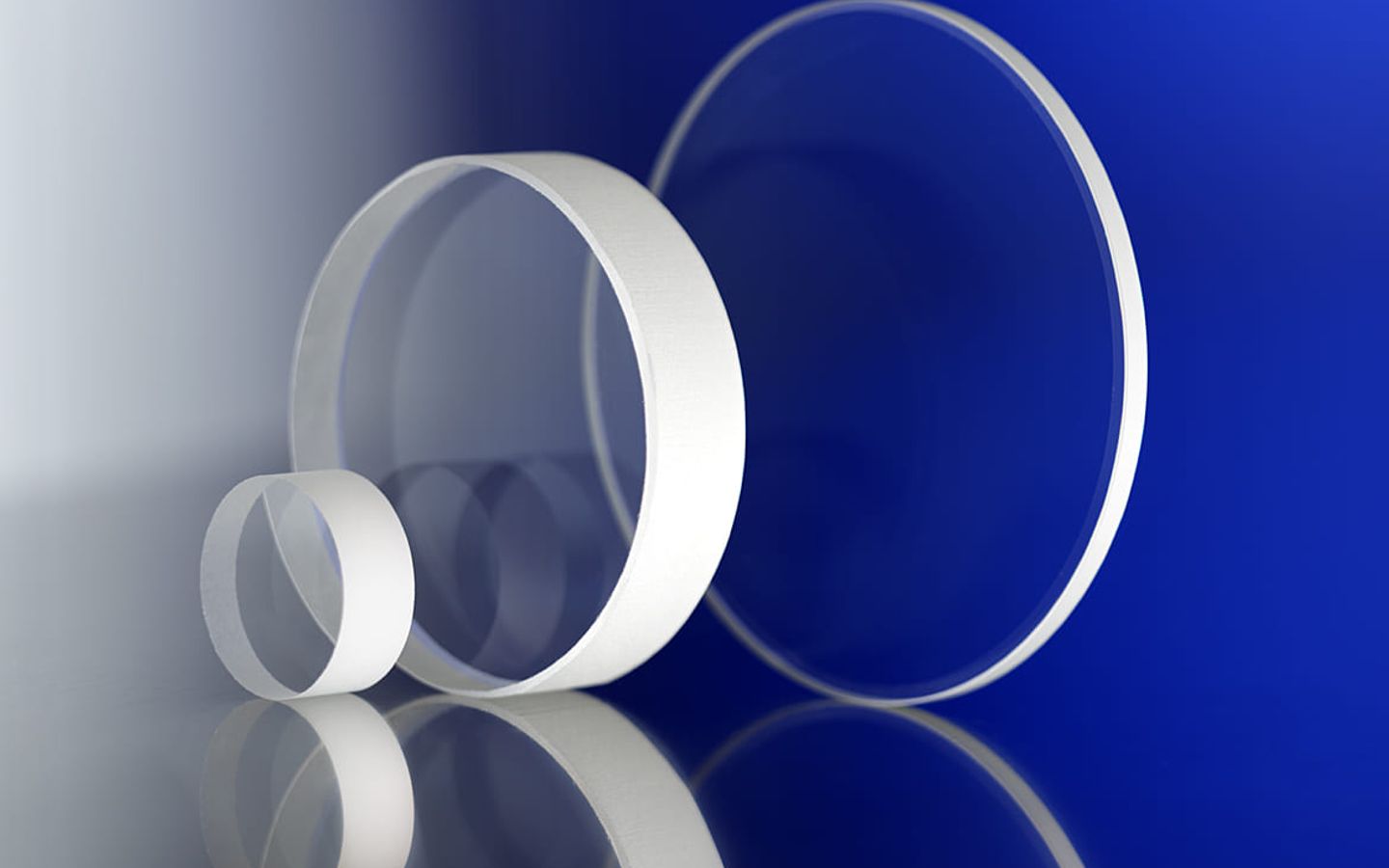
Borofloat precision float glass from IRD Glass

BOROFLOAT® 33

Clear, colourless borosilicate float glass with strong transmission, very weak fluorescence, and resistance to water and acids — exposure leaches only small amounts of ions, so the glass barely influences the measurement.

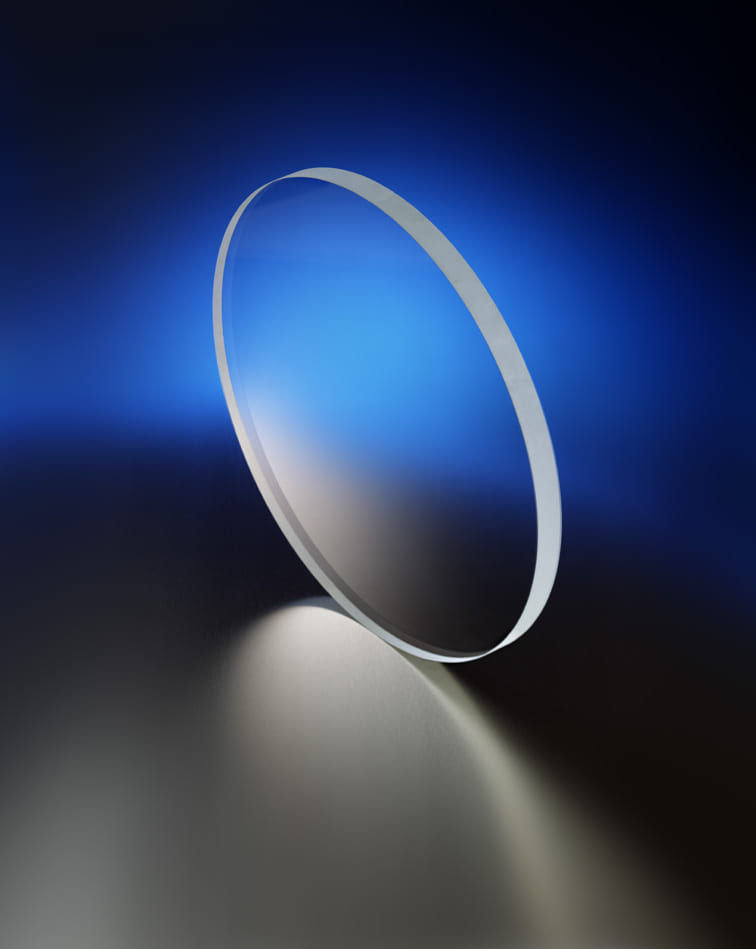
Precision float glass window

Environmental resistance

Highly resistant to water, strong acids, alkalis, impact, and heat, with chemical resistance better than most metals and long-term service above 100 °C.

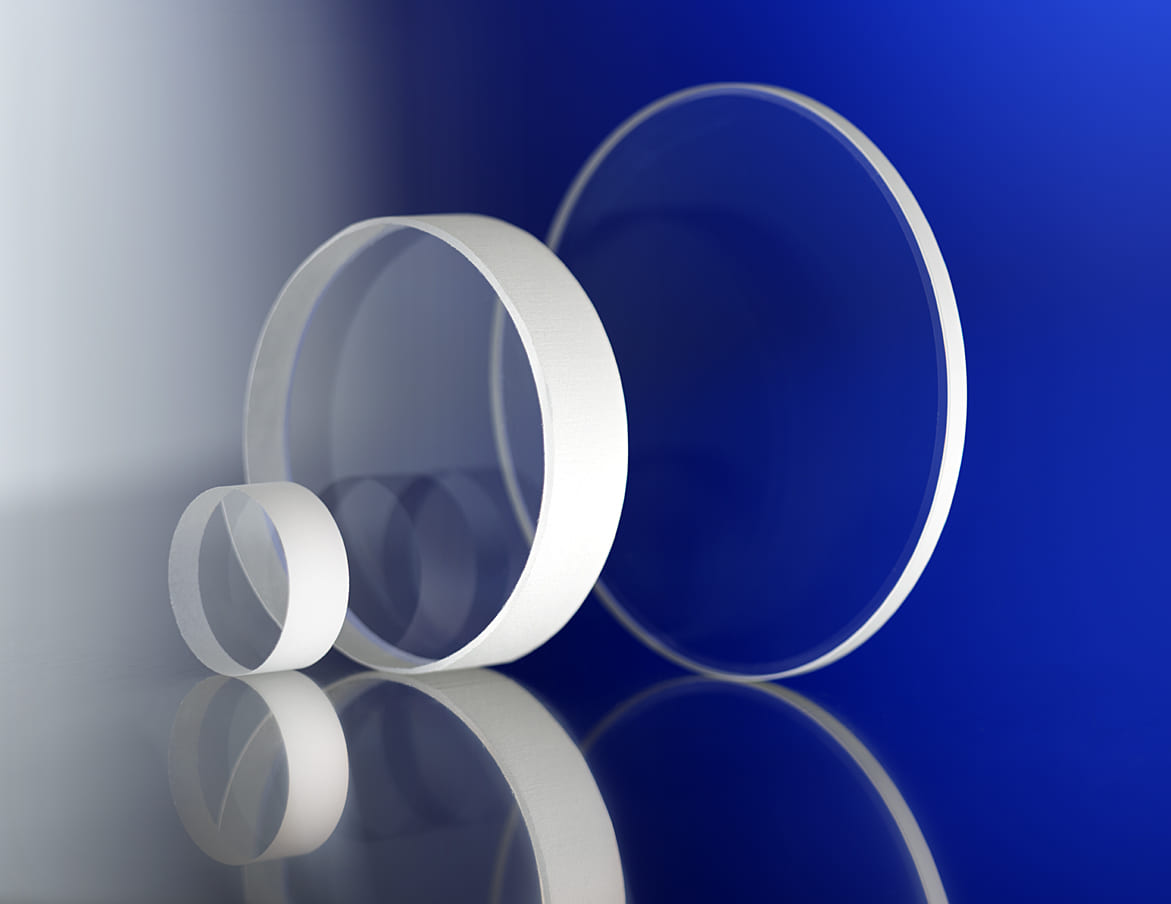
Precision float glass discs

Transmission control

Clear and tinted material plus optical coatings applied during manufacture for light transmission, heat, insulation, and ultraviolet performance.

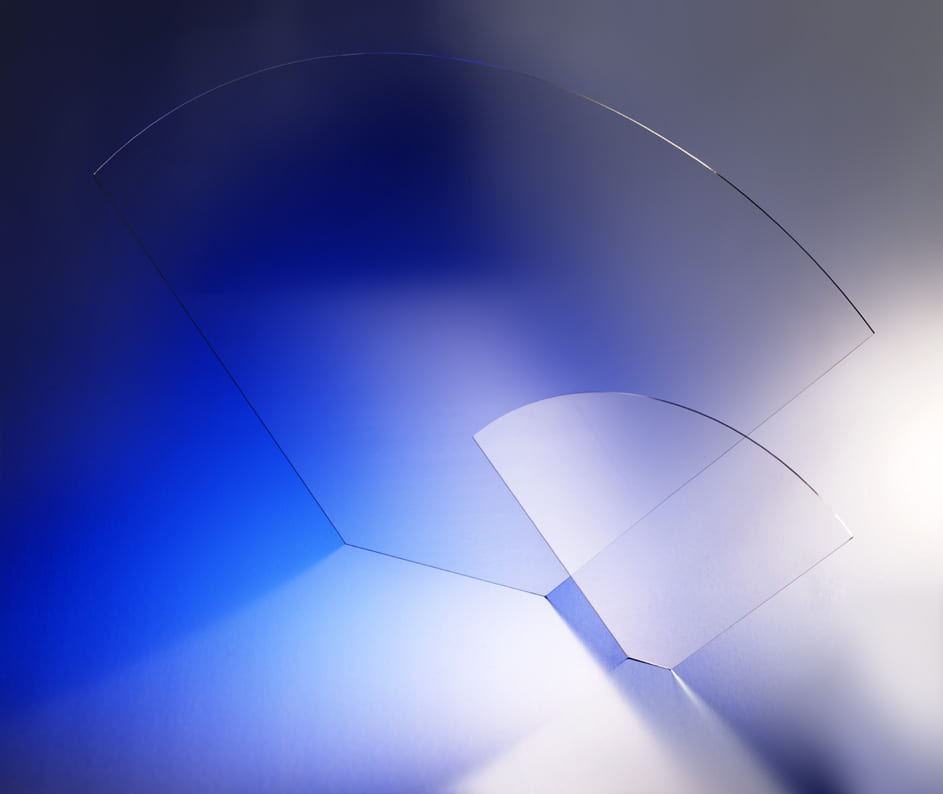
Shaped float glass components

Fabricated geometry

Blanks and finished components sawn, waterjet cut, diced, machined, edged, strengthened, coated, and inspected to the customer print.

Process control

Volume glass, still cut like a component

Float glass earns its place on availability and price. What decides the finished-part cost is the route it takes after the sheet arrives.

Borofloat 33 earns its place on chemistry, not price alone

Excellent light transmission with very weak fluorescence across the spectrum, thermal stability, impact resistance, and chemical resistance better than most metals. Exposure to water and acids leaches only small amounts of ions from the glass, so measurements taken through it are hardly influenced by the receptacle.

The cutting route is chosen by format

Sawing runs to ±.001 inch best case up to 14 × 8 × 1 inches; waterjet reaches ±.005 inch across 40 × 24 × 2 inches; dicing holds ±.0005 inch up to 8 inch diameter at .300 inch thick. Choosing the route at design review is what keeps dimension, edge condition, and cost from fighting each other.

Coating, patterning, and strengthening stay inside the same route

Optical coatings can be applied where light transmittance matters, patterned coatings for filters, gauges, and datums, and chemical or heat strengthening where the component takes impact or thermal shock. Keeping them in one route means the inspected surface is the delivered surface.

Debris shields are a cost calculation, not a material preference

IRD reports that Lawrence Livermore National Laboratory uses thin, roughly 1 mm disposable BOROFLOAT® debris shields in fusion experiments in place of fused silica, taking up to ten shots before replacement. Sapphire lasts longer still at a higher initial price. Which one wins depends on replacement frequency, not on unit cost.

Capability ranges.Specify what the system needs.

Float glass is often chosen for cost and availability. Finished-part economics still depend on size, thickness, edge work, strength, coating, and inspection.

AttributeTypicalBest caseApplication note
Sawing±.005″±.001″Blanking and sizing to 14″ × 8″ × 1″
Waterjet±.010″±.005″Profiles to 40″ × 24″ × 2″
Dicing±.005″±.0005″Small-format repeated components to 8″ dia
Machining±.005″ dimension±.0001″Mounting features, profiles, and custom geometry
PolishingRa < 1 µinRa < 5 ÅOptical faces and performance-critical surfaces

These are IRD's published process capability figures across materials and formats, not a guarantee for a given print. Thickness, format, edge condition, coating, and inspection method all move them, and every feature is quoted individually. Material availability is subject to SCHOTT supply, so confirm sheet thickness and lead time at quote rather than designing around assumed stock.

Precision float glass discs
Cell-based production

High volume still needs a process owner.

Cell-based production keeps the material, cutting route, edge quality, strengthening, coating, inspection, packaging, and replenishment plan connected as quantities grow. The cell owns the part from raw-material order to shipment, which is what stops a cost-driven material choice from becoming a quality problem at volume.

The IRD Advantage
40″ × 24″
Largest waterjet-cut float glass profile, at 2 inches thick
±.0005″
Best-case dicing tolerance for small-format repeated parts
98%+
On-time delivery, past decade
Application fit

Materials, forms, and uses

Use these lists to frame the first review. The drawing, environment, performance requirement, inspection method, and volume determine the final route.

Industries

  • Biotechnology
  • Microelectronics
  • Photovoltaics
  • Security
  • Chemical processing
  • Commercial lighting

Applications

  • Sight glass
  • Analytical equipment
  • Optoelectronics
  • Floodlight covers
  • Reaction-vessel windows
  • Debris shields

Options

  • Clear or tinted
  • Heat and chemical resistance
  • Optical coating
  • Strengthening
  • Patterning
  • Custom edge work

Production assurance

ISO 9001:2015Certified quality management system covering both Minnesota facilities. The system is certified — an individual part is not.
ITAR registeredRegistered with the DDTC. Controlled programs are manufactured and stored domestically in Minnesota.
98%+ on-timeIRD-reported delivery performance, sustained across the past decade.
Review quality & certifications
Keep researching

Related products and industries

The finished component often crosses product categories. These pages cover the nearest materials, processes, and program contexts.

Shaped float glass components
Start with the print

Send us your precision float glass components requirement.

Send the print with the finished dimensions and thickness, the edge condition you need, any coating, patterning, or strengthening, the exposure the part will see in service, annual volume, and the packaging and replenishment model. For a new design, the technical team runs a no-cost Design for Manufacturability review before quoting, then estimates prototype and production volumes separately.

Or call 320.693.7217. If you are comparing Borofloat against fused silica or sapphire for a consumable, bring the replacement interval — that is usually what decides it.
Precision Float Glass Components | IRD Glass